
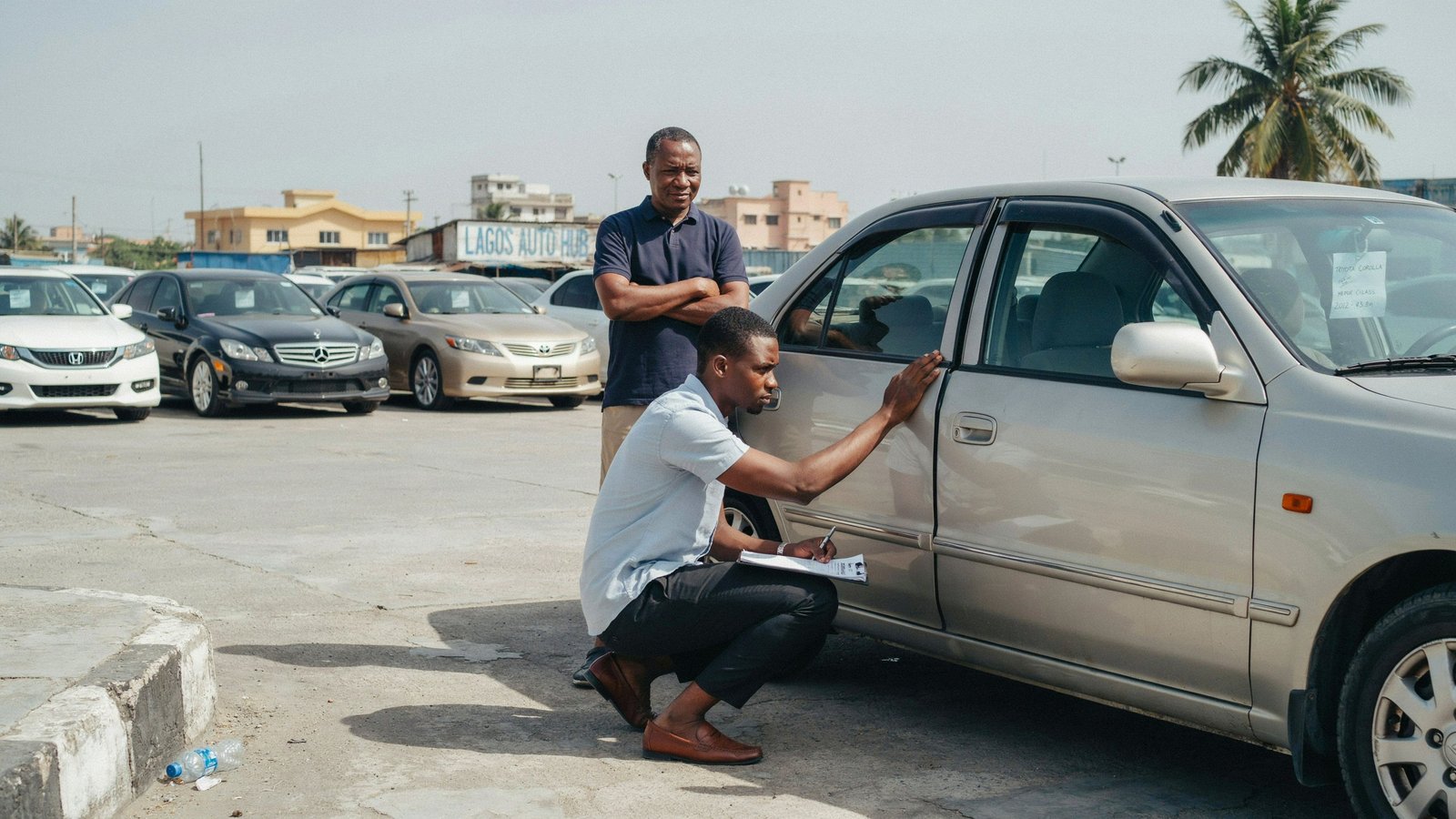

Let me tell you a quick story before we start. A few years back, a friend of mine — first car, big excitement, cash ready — went to look at a “clean” tokunbo Camry somewhere off Ladipo. The seller was smooth, the car looked sharp, and my friend was already mentally driving it home. I made him wait, pop the bonnet, and check the oil. Black. Gritty. Almost like tar. That “clean” Camry had probably not seen an oil change since it left the port. He walked away, and three weeks later found a genuinely good one for less money. That’s the difference proper inspection makes.
If you’re about to buy a tokunbo car in Nigeria for the first time, knowing how to inspect a tokunbo car in Nigeria before any money changes hands isn’t optional — it’s the one skill that separates buyers who get a good car from buyers who get an expensive lesson. This guide walks you through exactly what to check, from bonnet to boot, plus the scams to watch for along the way.
Why Inspection Matters Before Any Payment
In Nigeria, once money leaves your hand, getting it back is a whole different fight — sometimes a legal one, sometimes just a lost cause. Some dealers around Lagos, Abuja, and Port Harcourt know this, and a few lean on buyers being excited, in a hurry, or too shy to ask “one too many” questions.
A calm, unhurried inspection is your real protection — not the seller’s word, not the “guarantee,” not even the price. If a seller won’t give you 30-45 minutes in daylight to go through the car properly, that alone tells you something. Genuine sellers are rarely in a hurry, because they have nothing to hide.
Exterior Checks: What Your Eyes Can Tell You
Start outside, in proper daylight if you can manage it. Showroom fluorescent light or a dim Berger yard at 6pm can hide a multitude of sins.
Check for rust and accident damage
Walk around the car slowly. Crouch and look along each door panel at an angle — light catching the paint this way makes filler work or a respray much easier to spot. Check:
- Rust around wheel arches, the underside of doors, and the boot floor
- Panel gaps — the space between doors, bonnet, and fenders should be even on both sides. Uneven gaps almost always mean the car has had bodywork after an accident
- Paint inconsistencies — a slightly different shade of the same colour between two panels usually means one of them has been resprayed
Look under the car if you can
Ask the seller if you can get it on a mechanic’s ramp or pit before you commit to anything. Rust, oil weeping, or a bent frame underneath are things nobody volunteers to tell you.
Under the Bonnet: The Engine Bay Tells the Real Story
This is where my friend’s Camry story comes from, and honestly it’s where I’ve seen more buyers get caught out than anywhere else — because people rush straight to the test drive and skip this part.
- Oil condition: Pull the dipstick. Oil should be amber to dark brown, not black and gritty, and definitely not milky (milky oil can point to a blown head gasket, an expensive repair you do not want to inherit)
- Coolant: Check the reservoir. Clean, not rusty-brown, not oily on top
- Belts and hoses: Look for cracking, fraying, or slack in the fan belt and visible hoses
- Battery: Corrosion around the terminals is a quiet sign of a car that hasn’t been well looked after
- Engine mounts: With the engine running, listen for knocking or unusual vibration — worn mounts are common on cars that have done years of Nigerian roads without much care
If the engine bay looks suspiciously spotless — like someone hosed it down and oiled the plastics just before you arrived — it’s not automatically a red flag, but it’s worth asking why, gently.
Interior Checks: Small Details, Big Warnings
Sit inside with the engine off first, then running.
- Electrics: Test every window, central locking, indicators, headlights, dashboard lights. Small electrical faults get overlooked at inspection and then become a headache weeks later when the part isn’t sitting on the shelf at Ladipo
- AC: With Lagos and Abuja heat, a weak AC isn’t a minor thing — it’s a real cost to fix. Run it on full for a few minutes and confirm it actually blows cold
- Seats: Heavily worn seat bolsters on a car the seller swears has “low mileage” is a mismatch worth pushing back on
- Dashboard warning lights: Turn the key to “on” without starting. Lights should flash briefly then clear once the engine starts. A light that stays on — engine, ABS, airbag — needs an explanation before you go any further
The Test Drive: Non-Negotiable
Never buy a car you haven’t personally driven, no matter how convincingly the seller vouches for it.
- Brakes: On a quiet stretch, brake firmly from a moderate speed. The car should stop straight — no pulling, no vibration through the pedal
- Steering: Feel for looseness or pulling, especially at low speed. Nigerian roads are hard on steering and suspension components, so this matters more here than in a lot of other markets
- Gearbox: Automatics should shift smoothly, no jerking or hesitation. Manuals — listen for grinding, check where the clutch bites
- Acceleration: Take it up to normal expressway speed if you can. Hesitation, strange noises, or smoke under acceleration are all things to flag, not ignore
Common Scams Nigerian Dealers Use and How to Spot Them
Even careful buyers get caught by tactics that are quite specific to how cars change hands here:
- Clocked mileage: The odometer says one thing, the pedal rubber and steering wheel wear say another. Ask for service history if any exists
- Flood-damaged cars sold as clean: A musty smell, rust creeping under the carpet, or electrical gremlins that “just started happening” can all point to flood damage — worth remembering after every heavy Lagos rainy season
- Fake or mismatched documents: Always confirm the VIN on the car matches what’s on paper, and be wary of customs documents that look freshly printed or don’t quite add up
- Pressure selling: “Another person is coming by 3pm” or “this price is only today.” A car that’s genuinely worth your money will still be worth it tomorrow
When to Walk Away
Judge the pattern, not just the one flaw. A single small issue isn’t automatically a dealbreaker on its own but rust, plus mismatched panel gaps, plus a seller rushing you to decide? That combination is your answer, no matter how attractive the price looks on Jiji.
I’d rather see you lose a “good deal” than lose real money on a car that turns into a liability by month three — that Camry story is a lesson worth borrowing even if it wasn’t your money that got spent learning it.
Get the Full Checklist
Inspecting a car properly means remembering dozens of details while a seller is standing right beside you, watching. That’s exactly why we built The Smart Buyer’s Used Car Inspection Guide for Nigeria — a complete, practical PDF that goes deeper into every check in this article, with images and printable checklist for your next inspection.
Want a complete checklist you can use at your next car inspection? Download your free Smart Buyer Quick Reference Card Pack — the exact checklist experienced Nigerian car buyers use before paying for any used car.